Cancer Survivors Day 2026: Celebrating voices, experiences, research, collaborations, and life beyond cancer
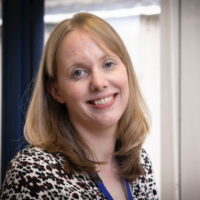
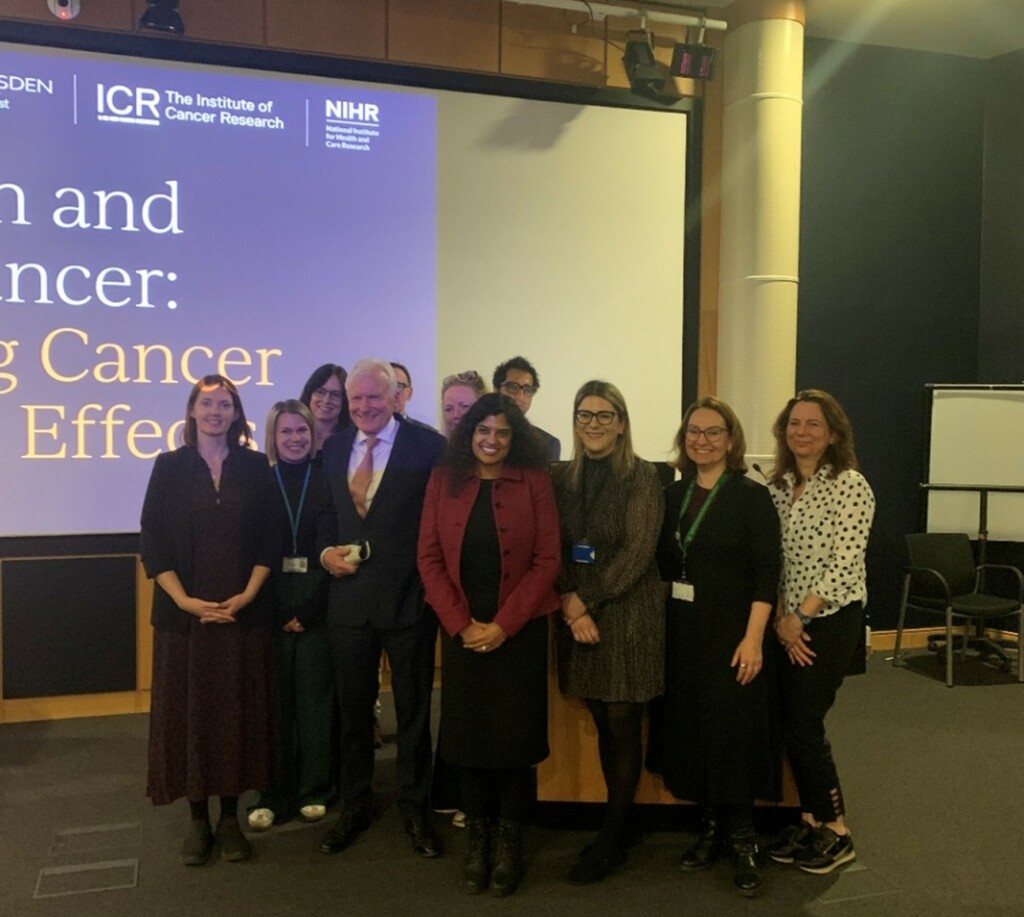
In this blog for Cancer Survivors Day (7 June 2026), we want to reflect on the progress of the National Institute for Health and Care Research (NIHR) Manchester Biomedical Research Centre’s (BRC) Living With and Beyond Cancer Theme over the last year, culminating in our inaugural LWBC education event in partnership with the NIHR BRC Royal Marsden and Institute of Cancer Research, held at The Christie NHS Foundation Trust.
Held in spring 2026, the event focused not only on research progress, but also on something just as important: listening to the lived experiences of patients and placing their voices at the centre of what we do.
The number of people living with and beyond cancer continues to grow and is expected to be 4 million people in the UK by 2030. With this comes an increasing need to recognise survivorship as a distinct and important phase of the cancer journey.
This event reinforced several key messages:
- Survivorship is about more than survival, it’s also about quality of life
- Patients must play a central role in shaping research and care
- Collaboration and shared experiences are vital for progress
Perhaps most importantly, it demonstrated that bringing people together to listen, learn, and share can have a lasting impact.
The role of research in advancing knowledge
We have continued to make progress across our research programmes in the past year, many of which were showcased at our LWBC education event.
Study set up is well underway for the SEARCH Lung Cancer Screening Study, which aims to implement targeted screening for Hodgkin lymphoma survivors who are at a higher risk of developing lung cancer due to their previous treatment. Following a highly successful pilot, last year we announced that the Manchester BRC-supported project had secured a major £1.3m NHS Cancer Programme award. Led by Professor Kim Linton (LWBC Co-Theme Lead), researchers will deliver a multi-centre roll-out which aims to screen 500 survivors over 2 years. Recruitment is planned to begin soon.
The LWBC Theme is funding a research fellow to deliver work as part of a trial investigating an early-stage biomarker for heart damage, a significant problem for patients receiving anthracycline-based chemotherapy for their cancer. They will be focusing on further validating and refining this biomarker-driven approach, which may allow earlier clinical intervention, reduce long-term heart complications, and ultimately benefit thousands of cancer survivors.
Recruitment to the Theme’s Bone health in Oncology Dataset (BOnD) study is progressing well, with 120 patients currently enrolled. The study aims to collect bone health information from 200 patients with cancer attending the metabolic bone clinic at The Christie, to better understand why some patients are at increased risk of breaking a bone after treatment and to guide future care and research.
Driving better outcomes through collaboration
A key theme running throughout LWBC research programmes is collaboration. The LWBC education event in spring 2026 highlighted this, showcasing the strong partnership between The Christie NHS Foundation Trust and The University of Manchester, alongside contributions from colleagues at the NIHR BRC at The Royal Marsden and the ICR.
Bringing these organisations together through research and collaborative events creates valuable opportunities to share expertise, align priorities, and strengthen national efforts to better understand and support life beyond cancer.
The day opened with a very special video welcome from Nick Mohammed, star of Ted Lasso, Slow Horses, and most recently Celebrity Traitors. We then had welcome remarks from Professor John Radford, former Co-Lead for the LWBC Theme and Professor Susana Banerjee, Cancer Treatment Effects Theme Lead within the NIHR BRC at The Royal Marsden and the ICR. They set the scene by reflecting on how far survivorship research has come, while highlighting how much more there is to do to improve quality of life after treatment. They also emphasised the importance of positive collaboration between BRCs working in similar areas, noting that the development and delivery of joint research projects and opportunities have been, and continue to be, fundamental.
The scientific programme opened with a session on Cancer Treatment Toxicities and Mitigation, chaired by Professor Susana Banerjee, which brought together expertise from both centres to explore biological mechanisms, detection and management cancer treatment-related toxicities ranging from immune checkpoint inhibitors (Dr Max Emmerich and Dr Kate Young) to prehabilitation pathways before cancer surgery (Dr Shaman Jhanji). Contributions from The Royal Marsden researchers highlighted internationally presented and published work with much focus on integrating translational science with direct impact on clinical care.
This was followed by a series of research presentations from colleagues across Manchester BRC and partner organisations, showcasing work in areas such as:
- Second cancer risks and how they have influenced screening for second cancers
- Managing long-term effects of treatment
- Bone health and cardiovascular risk
- Development of digital tools to support survivorship
These sessions highlighted how research across our partners continues to focus not only on saving lives, but also on improving life during and after cancer. The session on evolving patterns of second cancer risk over time presented by Dr Aislinn Macklin-Doherty (The Royal Marsden/ICR NIHR BRC) was recently shared at the American Society of Clinical Oncology (ASCO) 2026 and Professor Amy Berrington also presented her internationally renowned epidemiological research reflecting the global impact of this work.
The programme emphasised the contributions of early career researchers, providing a platform for emerging voices in the field, showcasing new ideas, and supporting the development of the next generation of survivorship researchers.
The power of patient voices
A central theme of our research programmes, and a key focus of this year’s education event, was the value of hearing directly from patients. A panel of seven patient representatives shared personal stories of diagnosis, treatment, and life afterwards, speaking candidly about both challenges and milestones. This willingness to stay engaged reflects the growing partnership between patients and researchers, which is central to the LWBC approach.
Feedback demonstrated just how impactful this was, with many participants expressing how much they valued being included and welcomed into the conversation. One panel member reflected: “I thoroughly valued being part of last week’s conversation and am grateful to have contributed via the panel. I’d be happy to further support the mission of improving quality of life beyond cancer.” For many attendees, hearing others’ stories was both powerful and reassuring.
These reflections highlight something that research alone cannot provide: the sense of connection that comes from shared understanding.
Looking ahead
Feedback from this year’s event has been overwhelmingly positive, with many attendees expressing a desire to stay involved and contribute further. This continued engagement will help shape and motivate the future of the LWBC Theme and its partners, ensuring that research remains grounded in what matters most to patients.
As we move forward, we will continue to:
- Partner with patients to guide research priorities
- Develop interventions to reduce long-term treatment effects
- Improve screening and early detection of second cancers
- Build supportive communities for those living with and beyond cancer
A final reflection
Cancer Survivors Day 2026 is a powerful reminder that while research and collaboration drive progress, it is people, their stories, experiences and voices, that give that progress meaning. Or, as one attendee so simply put it: “The more people talk about it the better.” And that is exactly what the Theme is trying to achieve. We look forward to the coming year as our research programmes continue to progress, and to our next education event, hosted by colleagues at The Royal Marsden, as we continue to grow this important area of research.
Read our previous Cancer Survivors Day blogs from 2024 and 2023.